Finance and funding glossary of terms
29 April 2026
Our glossary explains key words and terms you may come across when using our website or guides.
Accounts receivable
Money your customers owe you for goods or services you’ve already provided but haven’t been paid for yet. Also known as: receivables, debtors, sales ledger, AR, trade debtors.
Advance: The percentage of an invoice we pay you shortly after you submit it to us. Also known as: prepayment, IP, initial payment, day-one funding, initial draw.
Aged debt: Invoices past the agreed funding period. Also known as: over-age, overdue receivables, aged items
Approved debt: The total value of your invoices that we’re able to fund, after removing any invoices we can’t fund due to age, disputes or credit limits. Also known as: funded debt or approved ledger.
Asset finance: Funding to help you buy or refinance equipment such as machinery, vehicles, technology or other business assets. Also known as: equipment finance, hire purchase, leasing finance.
Assets: Anything your business owns that has a financial value, such as equipment, vehicles or property.
Assignment: When you send us an invoice, ownership of that invoice is transferred to us for funding purposes.
Audit: A routine check we carry out to make sure your facility is being used in line with the agreement.
Available funds: The amount of funding you currently have available to draw down. Also known as: Availability.
Bacs: A standard electronic payment method used in the UK. Bacs payments usually take three working days to clear.
Bad debt: An invoice that can’t be collected because a customer hasn’t paid and is insolvent or has defaulted for a long period. Also known as: irrecoverable debt, uncollectable debt.
Bad debt protection: An optional service that protects your business if a customer can’t pay due to insolvency or prolonged non‑payment. Also known as: BDP
Broker: Intermediaries who work with us and their clients to arrange suitable funding solutions.
CHAPS: A same‑day bank payment system used for urgent or high‑value payments. Also known as: TT, Same Day payment
Cashflow: The movement of money in and out of your business over a period of time.
Client account: The balance on your facility, calculated by subtracting what you owe from the value of your sales ledger.
Collections: Payments we receive from your customers. Also known as: debtor payments, customer receipts.
Concentration: The proportion of your funding linked to a single customer. This is usually shown as a percentage. Also known as: debtor exposure, high involvement.
Confidential service: An invoice finance option where your customers are not aware of our involvement.
Construction finance: Funding designed for contractors and sub‑contractors, releasing cash at different stages of a contract.
Contra: When two businesses owe each other money and offset the amounts rather than paying separately. Also known as: set-off, offsetting, reciprocal trading
Cover limit: The maximum amount of bad debt protection available for an individual customer. Also known as: BDP Limit
Credit limit: The maximum amount we’ll fund against invoices for a specific customer. Also known as: debtor funding limit, customer limit
Credit management: How a business manages customer payments and outstanding invoices.
Current account: The total amount you’ve drawn from your facility, including any fees charged to date. Also known as: funds in use.
Debtors: Your customers who owe you money. Also known as: receivables
Debtor currency: The currency your customer is invoiced in.
Disapproval: Any reason an invoice can’t be funded, such as age, disputes, credit limits or contras. Also known as: ineligible debt, exclusions, unfunded items.
Disbursement: A charge for services not included in your standard fees, such as same‑day payments or legal letters. Also known as: additional service fee.
Discount charge: The fee you pay for using the funds we advance to you, similar to interest on an overdraft. Also known as: factor’s discount, discount fee.
Dispute: When a customer queries or refuses to pay an invoice. Also known as: query, contested invoice, unfunded item.
Export debt: Money owed to you by customers based overseas. Also known as: international debt.
Export finance: Funding that helps release cash from invoices issued to international customers. Also known as: International Finance
Factoring: An invoice finance solution where we manage your credit control and collect payments from your customers. Also known as: full-service factoring, disclosed factoring, confidential factoring.
Foreign exchange: A service that helps you exchange currencies and manage the impact of exchange rate movements. Also known as: FX, currency trading, forex
Forward finance: A funding solution for smaller businesses, providing access to cash tied up in invoices.
Funding limit: The maximum amount you can borrow under your agreement with us. Also known as: facility limit, funding cap.
Funding period: The length of time an invoice can be funded, usually up to 90 days from the invoice date or end of month.Also known as: Recourse period
Goods amount: The value of goods listed on an invoice.
Invoice: A document requesting payment for goods or services you’ve supplied. Also known as: sales invoice.
Invoice date: The date shown on the invoice.
Invoice discounting: An invoice finance option where you manage customer payments while we provide funding. Also known as: confidential invoice finance, discounting, ID
Invoice finance: A way to access cash tied up in unpaid invoices instead of waiting for customers to pay. Also known as: Receivables Finance.
Invoice finance charge: A fee covering administration of your sales ledger, invoice processing and collections. Also known as: Factoring Fee, Service Fee
Leasing: Spreading the cost of equipment by renting it or refinancing assets you already own. Also known as: Asset Finance (see above)
Management buy‑in (MBI): When an external management team buys into and takes control of a business.
Management buy‑out (MBO): When an existing management team buys and takes control of the business they run.
Minimum fee: The minimum amount charged as a percentage of the value of invoices assigned to us over an agreed period.
Non-recourse: An invoice finance option that includes bad debt protection if a customer doesn’t pay due to insolvency or prolonged default.
Notice of assignment: Instruction for your customers to pay BFS which should be on all your invoices (unless you have a confidential facility). Also known as: NOA, assignment notice.
Notice period: How much notice is needed to end or change a facility, usually up to 3 months.
On account cash: Payments received that can’t yet be matched to a specific invoice. Also known as: unallocated receipts, unidentified cash
Pre‑payment: Another term for advance. The percentage paid shortly after invoices are received. Also known as: Initial funds released. advance, initial prepayment.
Purchase ledger: A record of what your business owes to suppliers. Also known as: payables ledger, creditors.
Reassignment: When an unpaid invoice is returned to you because it can no longer be collected.
Recourse: Where you remain responsible for unpaid invoices
Recruitment finance: Funding and back‑office support to help recruitment businesses manage payroll.
Sales ledger: A record of invoices issued to customers and payments received. Also known as: accounts receivable ledger, debtor ledger.
Schedules: A list of invoices submitted for funding, showing amounts, dates and customer details. Also known as: Assignments, invoice/credit uploads
Service fee: The percentage charged for managing your facility. Also known as ‘factoring fee’.
SME: Small and medium‑sized enterprises.
Trust/VBA account: A bank account set up for clients where customer payments are received. Also known as: BFS bank account, collections account.
Vendor finance: Funding offered to your customers to help them buy your goods or services.
Verification: Checks carried out with customers to confirm goods or services have been delivered as agreed. Also known as: audit checks, verification calls.
Working capital: The cash available to run your business day to day, after covering short‑term liabilities. Also known as: operating liquidity, business liquidity.
Looking to unlock growth?
See some of our client stories
19 January 2026
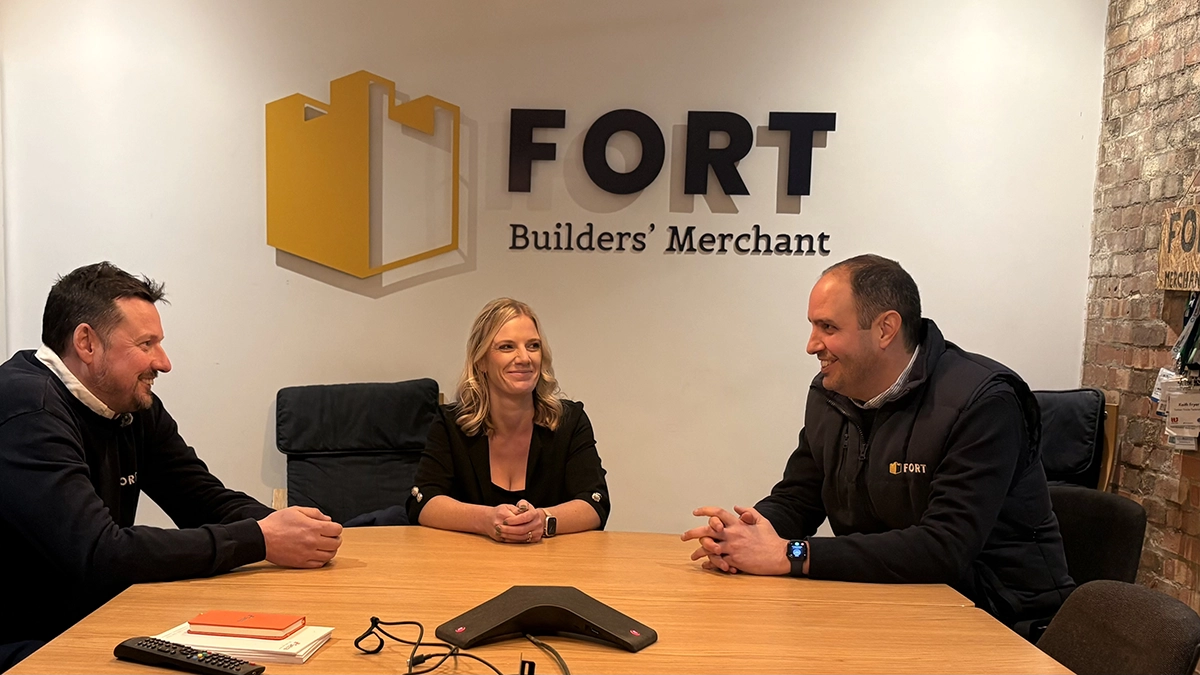
Client Story: FORT Builders’ Merchant
FORT is an independent builders’ merchant based just off the M4 in Membury, Berkshire. Founded by three co-directors in 2020, FORT opened its doors just weeks before the first Covid-19 lockdown.
Read more
26 March 2026
Client Story: Veromia
Bibby Financial Services has supported Veromia, an established British occasionwear wholesaler, to adapt to shifting markets with funding support and foreign exchange services.
Read more