SME Confidence Tracker Q3 2026
Cautious optimism, constrained by costs
Our latest Confidence Tracker provides insight into how small and medium-sized enterprises (SMEs) across the UK are performing as they enter the final months of 2026.
The findings show tentative signs of improving confidence and continued ambition for growth. However, difficult trading conditions, rising costs, late payments and challenges accessing finance continue to put pressure on cashflow and investment.
“This is a clear familiarity gap - not a suitability one. In today’s volatile market, where cashflow is under near-constant threat, understanding the full range of options on offer, including alternative finance, could be the difference between survival and growth.”
Derek Ryan, CEO for North West Europe at Bibby Financial Services
Growth ambitions endure despite mounting financial pressure
The SME Confidence Index increased marginally to 52 in Q3 2026, from 51 in Q1, although it remains below the 66 recorded this time last year.
Despite challenging conditions, SMEs remain ambitious. More than half (54%) report increased sales over the past six months and 62 percent expect sales to grow over the next six months.
Download the latest SME Confidence Tracker:
SME investment plans hold steady
Despite caution around the economic outlook, SMEs have not abandoned their investment plans. Almost nine in ten (89%) expect to invest in at least one area over the next six months, with digital and IT remaining the leading priority at 38 percent.
However, businesses remain cautious about how much they commit. The average planned investment over the next 12 months stands at £216,468, reflecting continued caution despite strong investment intentions.
Payment practices continue to squeeze cashflow
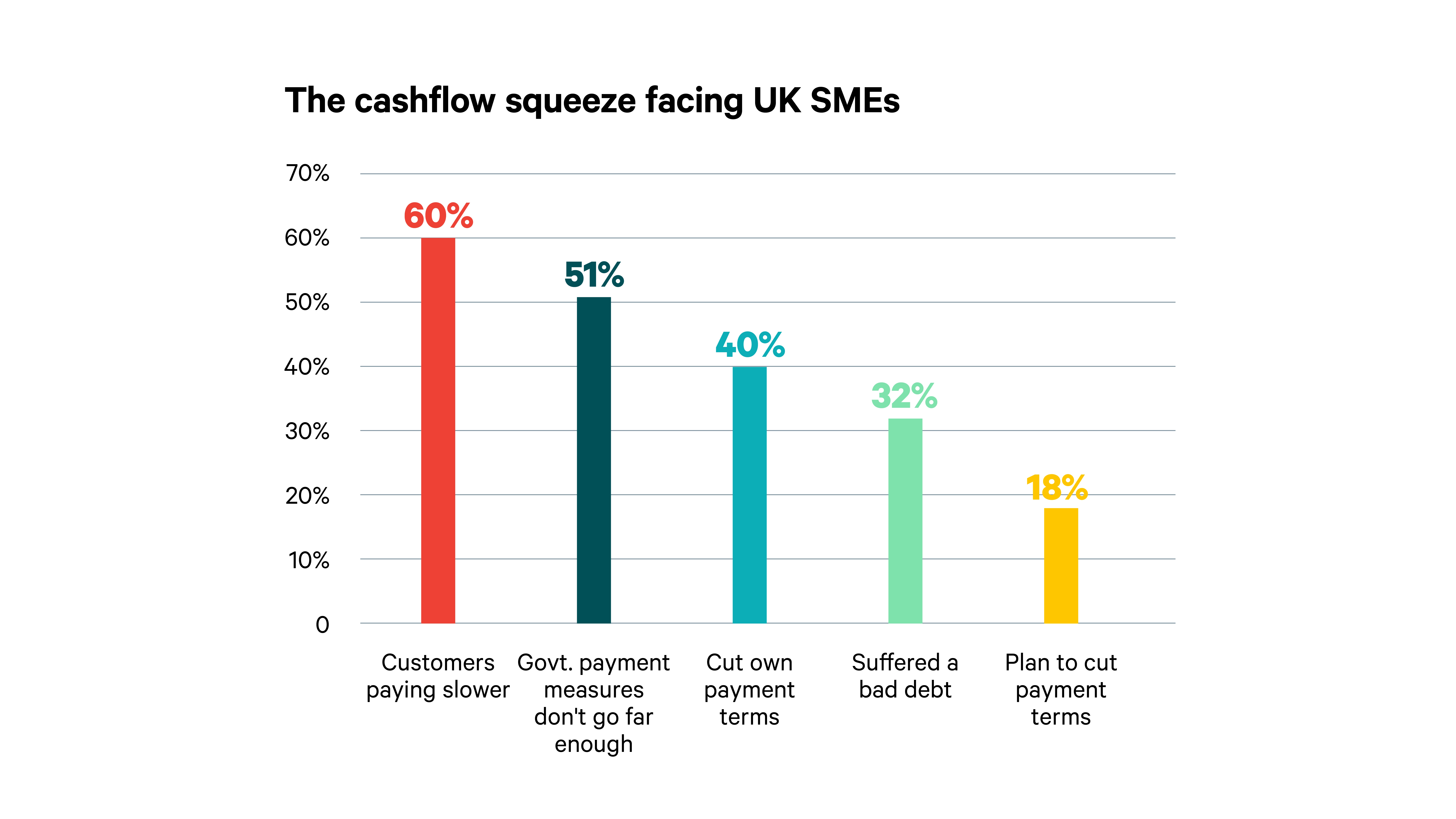
Late payments remain a significant pressure on SME cashflow. Three in five (60%) say customers are taking longer to pay than a year ago, with SMEs now owed an average of £72,462 in unpaid invoices – up 13 percent year-on-year.
Bad debt is also increasing, affecting almost a third (32%) of SMEs, up from 30 percent in Q1. More than 55 percent have also seen a customer or supplier become insolvent or cease trading in the past six months.
What SMEs want from Government
Ahead of the Autumn Budget, SMEs are looking for greater certainty and support to help ease cost pressures and create the conditions for growth.
Their top priorities include:
- Cutting corporation tax – 46%
- Freezing corporation tax – 43%
- Pausing further increases to capital gains tax – 41%
- Revoking the 2025 employer National Insurance increase – 39%
- Extending the retail, hospitality and leisure business rates cut to other sectors – 36%
The funding awareness gap
Access to finance remains challenging. Among SMEs using or considering finance, 25 percent have had a funding application declined in the past six months and 32 percent have had credit lines reduced.
At the same time, many SMEs are struggling to navigate the funding options available to them. Nearly eight in ten (78%) typically choose the option they understand best, while 47 percent find it difficult to know which option is right for their business.
The findings reveal a significant gap between SMEs' understanding of traditional and alternative finance, highlighting the need for greater guidance around the funding options available.